
WHY PASSION ALONE WON’T PROPEL YOU TO SUCCESS IN BUSINESS

Photo by Nick Fewings on Unsplash

I was on a call this past Saturday with one of my mentees and the subject came up of passion & purpose. It was part of a broader conversation where we discussed that purpose and passion are two very different things. I went on to say to him that “following his passion” alone could lead to disaster. Actually I told him that passion alone is total & pure Bullshit…Purpose on the other hand is a far greater component to success in my opinion. If you can discern why you were put here, in other words, what is your purpose, you’ll often see that it connects very strongly to the things you are already good at, not simply what you are passionate about. While passion is an invaluable asset in the business world, it’s just one piece of the puzzle. To succeed in business, one must complement passion with a purpose, a mission. Then, you can go to work to learn & create strategy, skill development, resilience, leadership capabilities, relationship-building skills, adaptability, and financial acumen. Remember, passion might light the fire, but it’s purpose and other elements that keep the flame burning and ensure long-term success.

Why Passion Alone Won’t Propel You to Success in Business
By Gary Occhiogrosso – Founder Franchise Growth Solutions and IFA Mentor.

We’ve all heard it countless times: “Follow your passion, and success will follow.” While this adage is inspiring and seems promising, the reality of the business world is far more nuanced. Passion, undeniably, is a critical component of any endeavor. It ignites our drive, fuels our commitment, and keeps us going during challenging times. However, if you rely solely on passion to guide your business to success, you might be setting yourself up for disappointment. Here’s why passion will only get you so far and is not the only component of business success.

1. Passion Without Direction is Fruitless

Having a passion for a particular niche or industry is commendable. Still, without a clear strategy, direction, and actionable plan, that enthusiasm can quickly fizzle out. Passion can spark the idea, but transforming that idea into a sustainable business model requires a well-researched strategy, industry knowledge, and an understanding of the competitive landscape.

2. The Importance of Skill Acquisition
While your passion might drive you towards a particular business, do you have the necessary skills to excel in that domain? For instance, you might be passionate about fashion, but running a successful fashion label requires more than just a love for clothes. You must understand fabric, sourcing, distribution, marketing, and sales. Continuous learning and skill development, often outside one’s area of passion, are paramount.

3. The Emotional Roller Coaster of Entrepreneurship
Business isn’t always smooth sailing. There are highs and lows, profits and losses, appreciation and criticism. Passion can undoubtedly help you ride the highs with enthusiasm, but resilience, grit, and emotional intelligence will see you through the lows. Emotional stability ensures you don’t take failures personally and can bounce back with even more determination.

4. Building and Leading a Team
It’s rare for a successful business to be a one-person show. Building and leading a team effectively is a crucial aspect of growing a venture. While your passion can be contagious and inspire your team, leadership requires skills like communication, delegation, conflict resolution, and more. Just because you’re passionate doesn’t necessarily mean you’re an effective leader.

5. Networking and Relationship Management
In business, who you know is often just as important as what you know. Building relationships, networking, and creating partnerships are all essential for business growth. Passion might get you in the door, but your ability to nurture and maintain those relationships will keep it open.

6. Adapting to Change
The business landscape is dynamic. With technological advances, changing consumer preferences, and global events, companies need to be agile and adapt to changes swiftly. Being too passionate about a particular method or product might make you resistant to change, leading to potential missed opportunities or even obsolescence.

7. The Bottom Line: Profitability
A business needs to be profitable to be sustainable. Passion might drive your decisions, but without a keen understanding of financial management, cash flow, and profitability metrics, it’s easy to see a venture flounder.

I’ll close by saying while passion is an invaluable asset in the business world, it’s just one piece of the puzzle. To succeed in business, one must complement passion with strategy, skill development, resilience, leadership capabilities, relationship-building skills, adaptability, and financial acumen. Remember, passion might light the fire, but it combines multiple elements that keep the flame burning and ensure long-term success.
=================================================

This article was researched, developed and edited with the support of AI

FRANCHISORS: RIVALS OR COMPETITORS? A LEARNING POINT OF VIEW.

Photo by RUN 4 FFWPU

The world of franchising is vast and varied. But whether franchisors are viewed as rivals or competitors, the lessons remain the same. Engage respectfully, collaborate with an open heart, learn continuously, and focus on the journey rather than a hypothetical finish line. This perspective will pave the way for enduring success in any industry.

Franchisors: Rivals or Competitors? A Learning Point of View.
By Gary Occhiogrosso – Founder Franchise Growth Solutions

The franchising world has transformed the business world landscape, enabling countless entrepreneurs to realize their dream of owning a business. As the number of franchisors has risen, the question often arises: Are franchisors rivals or competitors? And what life lessons can we extract from this intricate dance of competition?

The Difference: Rivalry vs. Competition
First, we must distinguish between the terms’ rivalry’ and ‘competition’. At a glance, both seem synonymous. But subtle nuances exist. Competition is a natural part of the business ecosystem. Every brand, whether in franchising or not, competes to gain a larger market share, innovate, and serve customers better. Competition can be healthy, pushing businesses to enhance their services and products.
Rivalry, on the other hand, implies a deeper level of contention. It suggests a quest for dominance where one party’s gain is another’s loss. It can lead to aggressive tactics that may not always prioritize consumer welfare.

The Motivational Angle for Emerging Franchise Brands
If you’re an emerging franchise brand, the path before you is both exciting and challenging. And while competition is inevitable, your perspective on it will shape your journey.

* See competition as a Classroom: Every competing brand has strengths and weaknesses. Instead of viewing them as threats, see them as opportunities to learn. Their successes and mistakes are lessons waiting to be dissected.

* Rise Above Rivalry: Engaging in a rivalry might seem like the faster route to dominance. But in the long run, businesses that focus on creating value rather than defeating rivals tend to be more sustainable and respected.

* Collaborate to Innovate: Some of the most incredible innovations emerge when competitors become collaborators. Shared challenges in the industry can lead to shared solutions. Remember, while your products might be different, many of the challenges faced in franchising are universal.

What Can We Learn from Each Other?
It’s often said that the wisest person in the room is the one who never stops learning. Franchisors, regardless of their size or age, have something to offer.

* Experience and Expertise: Established franchisors can provide insights on scaling, maintaining brand consistency, and navigating complex regulations.

* Innovation and Agility: New entrants often bring fresh perspectives, leveraging the latest technologies and trends to disrupt traditional ways of doing things.
By engaging in dialogues, forums, and industry events, franchisors can create a knowledge-sharing ecosystem that benefits everyone involved.

The Infinite Journey
Is there a finish line in the world of franchising? Arguably, the process is infinite. The market evolves, consumer preferences shift, and technologies advance. Resting on laurels today can mean obsolescence tomorrow.

Rather than chasing an elusive endpoint, it’s more fruitful to embrace the journey itself. Adopt a mindset of continuous growth and evolution. Remember, in the business world, the journey itself, with its ups and downs, trials and triumphs, molds a brand’s legacy.

In Conclusion
The world of franchising is vast and varied. But whether viewed as rivals or competitors, the lessons remain the same. Engage respectfully, collaborate with an open heart, learn continuously, and focus on the journey rather than a hypothetical finish line. This perspective will pave the way for enduring success in any industry.

Learn More about growing your emerging Franchise Brand here: www.frangrow.com
==============================================

This blog post was researched, developed and edited with the support of AI

THE IMPORTANCE OF A CFO: THE LINCHPIN OF CORPORATE GOVERNANCE

Photo by Makhbubakhon Ismatova

The global economic tides are ever-fluctuating, making it crucial for companies to have a financial leader who can ensure stability in tumultuous times and capitalize on prosperous periods. The CFO, therefore, becomes a sentinel, safeguarding the company from financial pitfalls and ensuring sustainable growth.

The Importance of a CFO: The Linchpin of Corporate Governance

In today’s dynamic and ever-changing business landscape, the role of a Chief Financial Officer (CFO) has been catapulted from mere adornment to an indispensable pillar of an organization. The swift currents of globalization, technological disruption, and economic volatility make it paramount for businesses to have a dedicated leader with sharp financial acumen. But the CFO’s remit goes beyond maintaining the company’s fiscal well-being. They wear multiple hats, serving as the principal financial strategists and critical decision-makers, guiding the company’s direction in alignment with its mission and vision. Furthermore, they are crucial in orchestrating daily operations, ensuring that resources are allocated efficiently and processes are streamlined. Adding another feather to their cap, CFOs are also the stewards of corporate governance, ensuring transparency, ethical practices, and compliance, all essential in building trust with stakeholders and steering the company toward sustainable success.

Essential Qualifications of an Outstanding CFO

* Educational Pedigree: Traditionally, CFOs possess degrees in finance, business, or accounting. A master’s degree like an MBA or a professional qualification like CPA, ACCA, or CFA often sets them apart.

* Deep Financial Acumen: They must have comprehensive financial planning, debt financing, and capital markets knowledge.

* Strategic Vision: Apart from handling numbers, a CFO should possess a clear strategic vision to drive business growth.

* Risk Management: In an age of unpredictability, the ability to anticipate, manage, and mitigate risks is pivotal.

* Technological Proficiency: With the rise of fintech, AI, and automation, a modern CFO needs to be tech-savvy.

* Regulatory and Compliance Knowledge: As regulatory landscapes evolve, a CFO needs to stay abreast with the latest regulations to ensure corporate compliance.

* Interpersonal Skills: They must build relationships with external stakeholders like investors, regulators, and financial institutions.

Role of a CFO in the Modern Business Era

* Strategic Partner to the CEO: While the CEO might envision the company’s future, the CFO is instrumental in shaping this vision into financial terms and identifying pathways to achieve these goals.

* Leader in Financial Planning and Analysis: They guide the organization in budgeting, forecasting, and analyzing financial trends.

* Risk Management Maestro: They identify potential business risks and implement mechanisms to safeguard the organization.

* Custodian of Capital Allocation: A CFO determines how the company’s capital gets invested – in new products, markets, acquisitions, or R&D.

* Champion of Technological Transformation: Modern CFOs are steering their organizations into the future by adopting the latest tech innovations.

CFOs and Corporate Governance: An Inextricable Link
Corporate governance pertains to the rules, practices, and processes by which a company is directed and controlled. It primarily involves balancing the interests of a company’s many stakeholders, such as shareholders, senior management executives, customers, suppliers, financiers, the government, and the community. At the heart of corporate governance is the CFO. Their unique position allows them to serve as a bridge between the board and the management, ensuring that financial disclosures are accurate, timely, and transparent.

1. Transparency and Accountability: By providing accurate financial statements and disclosures, CFOs uphold transparency, promoting investor trust and confidence.

2. Ensuring Compliance: CFOs play a pivotal role in ensuring the company adheres to regulations, standards, and laws, minimizing potential legal entanglements.

3. Ethical Leadership: Ethical lapses in corporate governance can tarnish a company’s reputation overnight. As guardians of financial integrity, CFOs set the tone for ethical behavior across the organization.

4. Stakeholder Communication: CFOs are the face of the company for investors, analysts, and shareholders. Their ability to effectively communicate the company’s financial health and strategy can influence stakeholder sentiments.

5. Decision-making and Oversight: By providing crucial financial insights, CFOs inform the board’s decisions, ensuring alignment with the company’s long-term objectives.

It’s clear that the modern CFO’s role is no longer siloed. They are actively involved in “digital transformation,” leading “sustainable business practices,” and advocating for “diversity and inclusion” in corporate structures.The modern CFO’s function has transcended the boundaries of conventional financial management. Once primarily limited to budgeting, forecasting, and financial reporting, the CFO is now at the forefront of navigating the intricate labyrinth of today’s corporate world. This evolving landscape, punctuated by rapid technological advancements, necessitates CFOs to be not just number-crunchers but also tech-savvy innovators. Additionally, as global markets become more intertwined and regulatory frameworks more stringent, the CFO must be adept at understanding and managing multifaceted legal and geopolitical scenarios. It’s not just about keeping the books anymore; it’s about foreseeing potential challenges, harnessing opportunities, and driving innovation.

Furthermore, the global economic tides are ever-fluctuating, making it crucial for companies to have a financial leader who can ensure stability in tumultuous times and capitalize on prosperous periods. The CFO, therefore, becomes a sentinel, safeguarding the company from financial pitfalls and ensuring sustainable growth. More than ever, they collaborate, working alongside CEOs and other top executives, offering critical insights that shape the company’s strategic trajectory. By blending their financial expertise with strategic foresight, they play an instrumental role in guiding organizations toward a thriving and prosperous horizon.
======================================

This article was researched, developed and edited with the support of AI

BRAINSTORMING: A GUIDE TO EFFECTIVE GROUP IDEATION

Photo by fauxels

By prioritizing an open and accepting environment, you’re not only respecting the individual contributions of each participant but also effectively leveraging the diverse reservoir of creativity present within the group. The synergy that arises from a group’s collective creativity is often far greater than the sum of its parts, leading to richer, more varied, and innovative solutions. So, as you embark on a brainstorming session, remember to cultivate this space of openness, valuing the process of idea generation above immediate analysis.

Brainstorming in a Meeting: A Guide to Effective Group Ideation

Brainstorming within a meeting environment offers a unique opportunity to harness the collective creativity of a team. By utilizing a structured approach, you can capitalize on the diverse experiences, perspectives, and knowledge of all participants, turning them into a powerhouse of idea generation.

This approach isn’t just about coming up with a multitude of ideas; it’s about fostering an atmosphere where every voice is heard, where participants feel free to express even the most outlandish concepts without fear of judgment. By leveraging the power of group dynamics, brainstorming can lead to breakthroughs that may not be possible in solitary contemplation.

To ensure you’re making the most of these group sessions, follow these steps and best practices:

Set Clear Objectives: Before the meeting, establish a clear purpose. What problem are you trying to solve, or what ideas are you looking to generate? This will provide direction for the brainstorming session.

Choose a Facilitator: Appoint someone to lead the session. This person will ensure that the group stays on track, everyone gets a chance to speak, and the energy remains positive and productive.

Set Ground Rules:
No judgment or criticism.
Encourage wild and ‘out-of-the-box’ ideas.
Build on the ideas of others.
Ensure one person speaks at a time.

Warm-Up: Start with a light, unrelated activity or question to get the creative juices flowing.
Structured Time: Set a specific amount of time for idea generation. Using a timer can create a sense of urgency that stimulates thinking.
Encourage Quantity Over Quality: The goal is to generate as many ideas as possible. Evaluation comes later.

Use Techniques:
* Brainwriting: Instead of speaking ideas, everyone writes them down.
* Round Robin: Participants take turns sharing an idea in succession.
* Mind Mapping: Start with a central idea and branch out into related topics.
* Post-it Note Brainstorming: Everyone writes ideas on Post-it notes and sticks them on a board.

SCAMPER: A technique that asks questions based on Substitute, Combine, Adapt, Modify, Put to another use, Eliminate, and Reverse.

Encourage Participation: Ensure everyone has a chance to share their ideas. Some people might be shy or hesitant, so fostering an inclusive environment is crucial.

Capture Every Idea: Use a whiteboard, flip chart, or a digital tool to note every idea. This ensures that nothing is lost, and everyone feels their contribution is valued.

Group and Prioritize: Once idea generation ends, group similar ideas together. This helps in identifying common themes and patterns. After grouping, prioritize or vote on ideas that seem most promising or relevant.

Evaluation: This is a separate phase from brainstorming. Here, ideas can be analyzed for feasibility, relevance, and potential impact.

Follow-Up: After the meeting, ensure a plan for the next steps. Whether it’s further research, prototyping, or another round of brainstorming, provide a clear action plan.

Keep it Fun: Maintain a positive and relaxed atmosphere. The more relaxed participants feel, the more likely they are to share their ideas freely.

Limit Group Size: Smaller groups (4-7 people) often work best for brainstorming as each participant has more opportunities to contribute.

It’s crucial to bear in mind the core essence of brainstorming: it is a process dedicated to the uninhibited generation of ideas, rather than their immediate assessment or critique. This distinction is important because when participants fear judgment, they may hold back potentially innovative or unconventional thoughts. These withheld ideas, regardless of how unpolished they might seem initially, could very well be the seeds of groundbreaking solutions.

Creating a positive, judgment-free environment serves multiple purposes. First, it gives participants the psychological safety to voice even the most outlandish or unrefined ideas. These raw, unfiltered insights can often lead to unique solutions that might not emerge in a more constrained setting. Secondly, a positive atmosphere enhances collaboration. When team members feel valued and understood, they’re more inclined to listen to others, build upon their ideas, and contribute more vigorously to the collective brainstorming effort.

By prioritizing this open and accepting environment, you’re not only respecting the individual contributions of each participant but also effectively leveraging the diverse reservoir of creativity present within the group. The synergy that arises from a group’s collective creativity is often far greater than the sum of its parts, leading to richer, more varied, and innovative solutions. So, as you embark on a brainstorming session, remember to cultivate this space of openness, valuing the process of idea generation above immediate analysis.

Remember that the primary goal of brainstorming is to generate ideas, not to critique them. By fostering a positive, judgment-free environment, you’re more likely to tap into the collective creativity of the group.
====================================================

This article was researched, developed and edited with the support of AI

EMPOWER YOUR EMPLOYEES: 7 STEPS TO EXCELLENCE IN CUSTOMER RELATIONS

Photo by iMin Technology

Businesses can ensure that their employees are well-prepared to handle customer interactions and motivated to go above and beyond in their roles. An empowered employee is a company’s most valuable asset in building and maintaining lasting customer relationships.

EMPOWER YOUR EMPLOYEES: 7 STEPS TO EXCELLENCE IN CUSTOMER RELATIONS
By Gary Occhiogrosso

Employees often act as the face of a company, bridging the gap between brand promise and customer experience. Their interactions, knowledge, and problem-solving abilities determine customer satisfaction. Thus, businesses must ensure that their workforce is empowered, equipped, and enthusiastic. Here’s a structured approach with actionable steps and examples to make this vision a reality:

1. Provide Essential Tools:
* Actionable Step: Regularly audit your team’s tools and technology to interact with customers.
* Example: If your business relies heavily on customer support calls, invest in high-quality headsets, noise-canceling technologies, or software that offers easy access to customer data.

2. Offer Comprehensive Training:
* Actionable Step: Organize monthly training sessions that cover product updates, communication skills, and problem-solving techniques.
* Example: For a company launching a new software product, ensure that your customer service team undergoes intensive training. This allows them to address queries and issues effectively.

3. Grant Autonomy in Decision-Making:
* Actionable Step: Establish a framework where employees have a certain degree of freedom to make decisions without always seeking higher approval.
* Example: If a customer is unsatisfied with a purchase, train and trust your frontline employees to offer solutions like discounts, refunds, or replacements without going through a lengthy approval chain.

4. Establish a Feedback Loop:
* Actionable Step: Create platforms where employees can share their insights, challenges, and suggestions regarding customer interactions.
* Example: Host weekly or bi-weekly meetings where team members can discuss customer pain points and brainstorm ways to enhance the customer experience.

5. Recognize and Reward Empowerment:
* Actionable Step: Set up a system to recognize and celebrate employees who showcase exemplary problem-solving skills and customer service.
* Example: Introduce an “Employee of the Month” program focusing on customer service champions, granting them tangible rewards and public acknowledgment.

6. Foster an Open Culture:
* Actionable Step: Encourage team members to communicate their needs, whether tools, resources, or training, to ensure they can perform their roles effectively.
* Example: Set up a suggestion box or a digital forum where employees can voice their needs and ideas without hesitation.

7. Simulate Real Scenarios:
* Actionable Step: Conduct workshops simulating challenging customer interactions, allowing employees to practice their skills.
* Example: Role-play a scenario where a customer is irate about a late delivery, enabling the team to navigate the situation and find a suitable resolution.

By incorporating these steps, businesses can ensure that their employees are well-prepared to handle customer interactions and motivated to go above and beyond in their roles. An empowered employee is a company’s most valuable asset in building and maintaining lasting customer relationships.
=====================================

This article was researched and edited with the support of AI
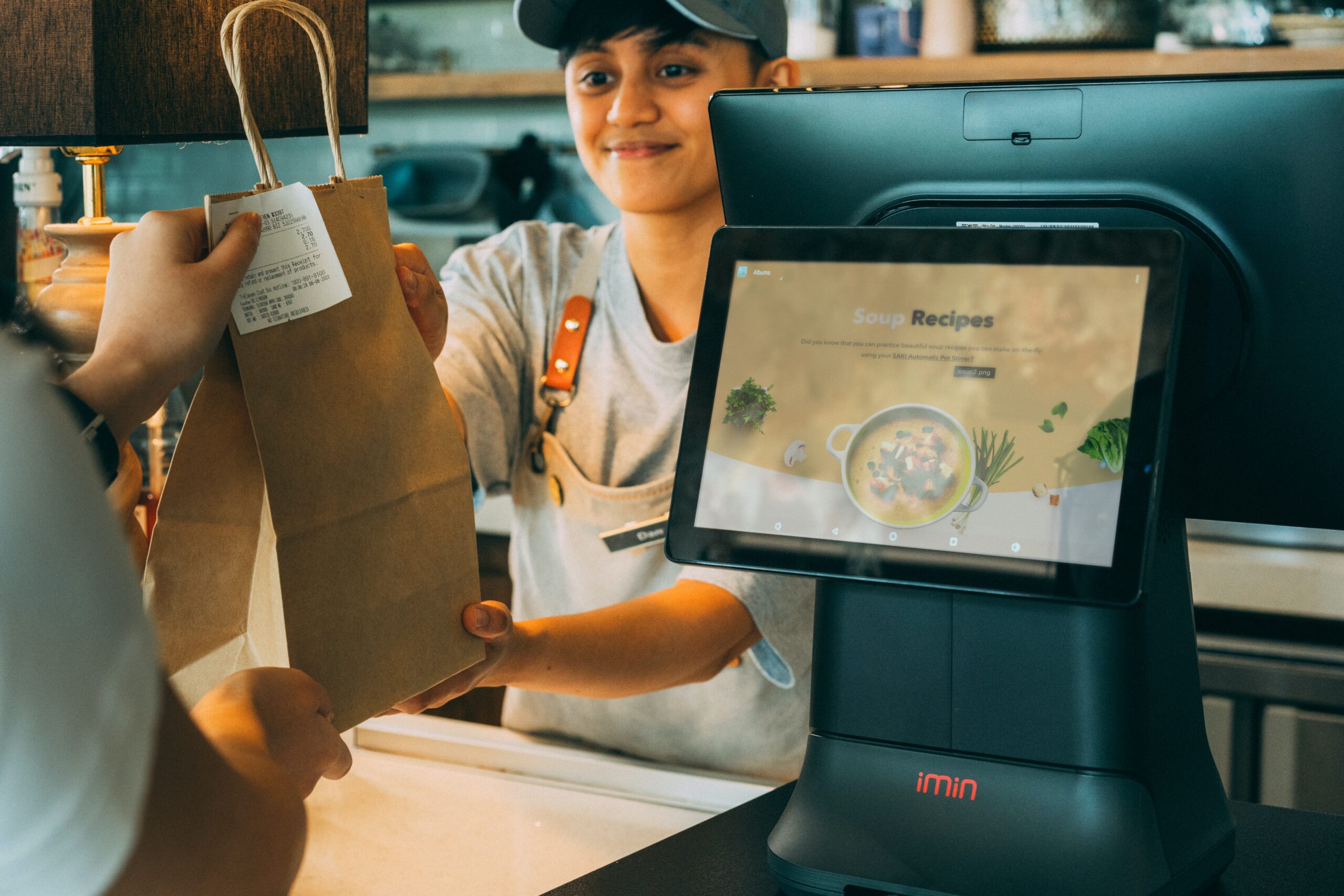
12 KEY FACTORS TO CONSIDER WHEN BUILDING A RESTAURANT

Photo by Bidvine

Building a restaurant involves multiple layers of decision-making that directly impact construction costs. Thorough research, meticulous planning, and seeking expert advice can help you navigate this intricate process. Remember, the goal isn’t just to minimize costs and ensure you get value for every dollar spent.

12 KEY FACTORS TO CONSIDER WHEN BUILDING A RESTAURANT
By Fred Kirvan – CEO Kirvan Consulting

Building a restaurant from the ground up is no small task. Beyond conceptualizing the menu, curating a skilled team, and finding the right ambiance, the construction cost is the fundamental aspect that determines the feasibility of such a venture. With fluctuating prices in the market and the unique requirements of the restaurant business, understanding the significant factors that impact these costs is essential. This blog post will delve deep into these key factors to provide a clear roadmap before you embark on this journey.

1. Location:

* Land Cost: This is often the most significant expense. Prices vary depending on the city, neighborhood, and even the street. A location in a bustling city center will invariably cost more than a suburban area.
* Local Construction Regulations: Different areas have varying regulations, such as zoning laws and building codes. Familiarizing yourself with these can prevent unforeseen costs later on.

2. Size and Scale:
The larger the restaurant, the higher the construction cost. However, the cost per square foot can sometimes decrease with increasing size due to economies of scale. Balancing the restaurant’s size with the anticipated customer volume is essential.

3. Design and Layout:
* Architectural Design: Unique and complex designs will necessitate more sophisticated (and expensive) construction methods.
* Interior Layout: An efficient kitchen and dining space layout can save money in the long run. Conversely, modifications after construction can significantly add to costs.
* Ambiance and Décor: High-end finishes, custom artwork, and unique fixtures can significantly elevate costs.

4. Construction Materials:
Choosing between premium materials like marble or more affordable ones like laminate can dramatically affect costs. The durability of materials should also be considered. Spending more upfront can save money in the long run on repairs and maintenance.

5. Labor Costs:
Labor costs vary depending on the region, the complexity of the project, and the current demand for construction professionals. It might be more cost-effective to build during off-peak times when labor costs are lower.

6. Equipment and Installations:
* Kitchen Equipment: Commercial kitchen equipment, including ovens, stoves, and refrigeration units, can be a significant portion of the budget.
* HVAC System:Restaurant heating, ventilation, and air conditioning are crucial. The size and efficiency of the system will impact its cost.
* Safety Installations: Fire suppression systems, alarms, and sprinklers are mandatory in most places and can add to costs.

7. Utilities:
Connecting to public utilities like water, sewage, gas, and electricity can be costly, especially if the existing infrastructure is not in place or upgrades are required.

8. Permitting and Licensing:
Local governments often require various permits for construction, health, safety, and operation. Each permit has its associated fees, and the time taken for approval can delay the project, leading to increased costs.

9. Environmental Considerations:

Sustainable and green building practices, while beneficial for the environment, can sometimes be more expensive initially. However, they may lead to long-term savings through tax breaks or reduced utility bills.

10. Contingency Budget:
Always keep aside a percentage of the total budget (usually 10-20%) for unexpected expenses. These can arise from unforeseen construction challenges, price hikes, or changes to the initial plan.

11. Financing Costs:

Interest rates and loan processing fees will add to the overall cost if you’re taking out a loan to fund the construction. Shop around for the best rates and terms to reduce this financial burden.

12. Post-construction Adjustments:
After the primary construction, there might be a need for tweaks and adjustments based on operational requirements or inspections. Budgeting for this can prevent unpleasant financial surprises.

Remember building a restaurant involves multiple layers of decision-making that directly impact construction costs. Thorough research, meticulous planning, and seeking expert advice can help you navigate this intricate process. The goal isn’t just to minimize costs and ensure you get value for every dollar spent. The foundation you lay, both literally and figuratively will determine the success and longevity of your restaurant business.
============================================

This article was researched and edited with the support os AI

WHAT ARE FRANCHISE ROYALTIES AND WHY ARE THEY CHARGED

Photo by Igal Ness on Unsplash

Franchise agreements often stipulate the specific amount or percentage related to royalty fees and provide detailed information on the calculation and payment methods. If considering a franchise opportunity, it’s essential to understand these fees, their structure, and what they cover.

WHAT ARE FRANCHISE ROYALTIES AND WHY ARE THEY CHARGED
By Johny Dey

Royalties and Brand Development Fees charged by franchisors refer to fees that franchisees must pay to franchisors in return for the rights to operate a business under the franchisor’s name and system and the franchisor’s continued development of the brand recognition. Here’s a breakdown:

Nature of the Fee: Royalties are typically ongoing payments made regularly (often monthly or weekly) and are usually calculated as a percentage of gross sales, although there are other structures.

Why Franchisors Charge Royalties:
Ongoing Support: Franchisors offer various forms of continuing support to their franchisees, including training, marketing, administrative, technological, and more. This support helps franchisees operate successfully and consistently with the brand’s guidelines.

* Brand Value: When you buy a franchise, you’re purchasing the rights to use a tried-and-true business model, as well as the brand’s name, which ideally carries a particular reputation and recognition. The royalty fee is a payment for the continued use of this brand value.

* Research & Development: Many franchisors continually invest in research and development to improve the business model, introduce new products or services, or refine operational practices. These enhancements can benefit franchisees, and the royalty helps fund such initiatives.

* Brand Development Fee (Advertising Royalty): A Brand Development Fee is used to further develop the brand’s identity and voice and, in some instances, fund advertising campaigns that can benefit all franchisees under the brand.
Steady Revenue Stream for the Franchisor: The royalty system ensures the franchisor receives a steady revenue stream. This sustains their operations and aligns their interests with those of franchisees. When franchisees do well (i.e., when their sales volumes increase), the franchisor also benefits from higher royalty revenues.

Royalties vs. Franchise Fees: It’s worth noting that royalties are distinct from the initial franchise fee. While the franchise fee is a one-time charge for the right to start a franchise, royalties are ongoing payments for the continued support and right to operate under the franchise brand.

Franchise agreements often stipulate the specific amount or percentage related to royalty fees and provide detailed information on the calculation and payment methods. If considering a franchise opportunity, it’s essential to understand these fees, their structure, and what they cover.
====================================

This article is researched and edited with the support of AI

START YOUR OWN COFFEE SHOP – 4 KEY TIPS TO SUCCESS

Photo by Valeriia Miller

Starting a coffee shop is a complex yet rewarding process that requires meticulous research, understanding of equipment, continuous learning about brewing techniques, and creativity in recipe creation. It’s a journey filled with excitement and opportunities for those passionate about coffee.

START YOUR OWN COFFEE SHOP – KEY TIPS TO SUCCESS
By Doim Hemingway

Starting a coffee shop is an appealing venture for many entrepreneurs, inspired by the thriving café culture in numerous cities around the world. To turn this dream into a successful business reality, one must delve into comprehensive research, learning about various aspects of the coffee industry such as product selection, coffee equipment, brewing techniques, and coffee drink recipes. This article explores these aspects in detail.

Researching the Coffee Product
When commencing a coffee shop, understanding the product is paramount. A high-quality coffee bean is the cornerstone of any successful coffee shop. The following areas should be thoroughly researched:

Coffee Origins: Learn about different coffee-growing regions and their flavor profiles. For example, Ethiopian beans are known for their fruity notes, while Colombian beans offer a balanced and nutty flavor.

Suppliers: Build relationships with local roasters or international suppliers. Companies like Stumptown Coffee Roasters and Blue Bottle Coffee provide high-quality beans and can be a great place to start.

Trends: Stay updated with the latest coffee trends, such as cold brew, nitro coffee, or specialty lattes. Your menu should reflect popular demand but also your brand’s unique identity.

Learning about Coffee Equipment
Investing in the right coffee equipment is essential for delivering a consistent product. Here’s how to get started:

Espresso Machines: Investigate different brands and functionalities. La Marzocco and Nuova Simonelli are examples of renowned brands in the industry.

Grinders: Understand the importance of a good grinder, as it plays a critical role in coffee flavor extraction.

Accessories: Equip yourself with necessary accessories like milk frothers, filters, and tampers. These tools help in crafting the perfect coffee.

Maintenance: Regular maintenance is vital to keep the machinery in top condition. Seek professional guidance or attend training on how to handle daily maintenance.

learn coffee, franchise, coffee shop, cafe, franchise growth solutions
Photo by Viktoria Alipatova

Learning to Brew Coffee

Brewing a perfect cup of coffee requires skill and knowledge. Here’s how you can learn:

Training Courses: Enroll in professional coffee brewing courses like those offered by the Specialty Coffee Association (SCA). Real-world examples like Barista Hustle also provide online training.

YouTube Tutorials: Platforms like YouTube have countless tutorials from professional baristas, a perfect place for beginners.

Practice: Like any craft, practice makes perfect. Experiment with different techniques and recipes at home before introducing them to your shop.

Creating Coffee Drink Recipes
Developing a unique and appealing menu requires creativity and knowledge of various coffee drink recipes:

Classics: Learn to make classic coffee drinks such as espresso, cappuccino, and latte. These will be the staple of your menu.

Signature Drinks: Create signature recipes that set your shop apart. Look at well-known coffee shops like Starbucks and their success with unique drinks like the Pumpkin Spice Latte.

Seasonal Offerings: Consider incorporating seasonal ingredients and offerings to keep the menu fresh and exciting.

In conclusion, starting a coffee shop is a complex yet rewarding process that requires meticulous research, understanding of equipment, continuous learning about brewing techniques, and creativity in recipe creation. It’s a journey filled with excitement and opportunities for those passionate about coffee.

========================================
Article produced with the support of AI

WHY HOME SERVICE BUSINESSES MAKE GREAT FRANCHISES

Home service businesses are positioned as lucrative franchising opportunities due to their growing market demand, proven business models, affordable start-up costs, scalability, effective lead generation, and community engagement. It is clear that investing in a home service franchise is a smart and strategic move supported by key insights from the International Franchise Association, the U.S. Department of Commerce, and the SBA.

Learn about That 1 Painter & Garage Up
Start your new business today!
Low Cost of Entry – No Experience Needed – Financing Available

Contact: [email protected]
Visit: https://franchisegrowthsolutions.com/our-brands/
Text: 9179912465

Why Home Service Businesses Make Great Franchises

Home service businesses are taking the lead in the franchise world in an ever-changing world. These businesses cater to essential needs, such as cleaning, maintenance, and repair services that every household requires. So why do home service businesses make great franchises? Let’s explore this exciting landscape.

Growing Market Demand
With an increasing number of households focusing on convenience and quality, the demand for professional home services is rising. The U.S. Department of Commerce* has noted consistent growth in the sector, signaling a robust and sustainable industry. *Check website for updated information.

Proven Business Models
According to the International Franchise Association*, franchises offer robust support systems and established brand recognition. Home service businesses can capitalize on these factors, providing franchisees with tested models, training, and ongoing support. *Check website for updated information.

Affordable Start-up Costs
Home service businesses typically have lower start-up costs compared to other industries. The Small Business Administration* (SBA) has highlighted this aspect, making franchising in this sector attractive for budding entrepreneurs. *Check website for updated information.
Scalability and Flexibility
These franchises offer a scalable business model that allows franchisees to expand at their own pace. Franchise owners can diversify their offerings with various services like cleaning, lawn care, and maintenance.

Effective Lead Generation
Many franchisors have partnerships with lead-generation portals that assist in marketing and acquiring new customers. Combining online and offline advertising strategies can maximize a franchise’s reach and profitability.

Community Engagement
Home service franchises often develop strong ties within their local communities. Engaging with clients personally builds trust and loyalty, enhancing the overall customer experience.

Conclusion
Home service businesses are positioned as lucrative franchising opportunities due to their growing market demand, proven business models, affordable start-up costs, scalability, effective lead generation, and community engagement.

It is clear that investing a home service franchise is a smart and strategic move supported by key insights from the International Franchise Association, the U.S. Dept. of Commerce, and the SBA.

Learn about That 1 Painter & Garage Up
Start your new business today!
Low Cost of Entry – No Experience Needed – Financing Available

Contact: [email protected]
Visit: https://franchisegrowthsolutions.com/our-brands/

=======================================

Article produced and researched with the support of AI

THE IMPORTANCE OF EXCEPTIONAL CUSTOMER SERVICE

Photo by Jopwell

Key components include product knowledge, empathy, responsiveness, and personalization. With customers’ access to a wealth of online product information, retail associates must be equipped to provide expert guidance. Empathy allows representatives to effectively understand and address customer pain points, while responsiveness underscores the need for timely solutions.

The Importance of Exceptional Customer Service

Excellent service cannot be overstated in the retail sector. As an integral component of business operations, it is a competitive differentiator and a key influencer of customer loyalty. Whether selling your product or service online, in-store, or in person, the way a customer feels before, during, and after the sale can make or break future transactions with that individual. Remember there is no endless pool of customers, so keeping them coming back is one key to success.

Customer Experience
In an age of increasingly digital interactions, the retail industry is at a pivotal point where ‘customer service’ is evolving into ‘customer experience’ (CX). This transition underscores the significance of every touchpoint, from the initial web search to the post-purchase follow-up. The impact of customer service on customer satisfaction and retention is so powerful that according to a survey by PwC, as much as 73% of consumers point to customer experience as a crucial factor in their purchasing decisions.

A positive customer service experience in retail can act as a catalyst for repeat business. This is backed by the concept of ‘customer lifetime value’ (CLV), which encapsulates the total value a customer brings to a business over the entirety of their relationship. An unsatisfied customer is unlikely to return, whereas a satisfied customer may produce and refer others, further amplifying the CLV.

What makes excellent customer service in retail?
Key components include product knowledge, empathy, responsiveness, and personalization. With customers’ access to a wealth of online product information, retail associates must be equipped to provide expert guidance. Empathy allows representatives to effectively understand and address customer pain points, while responsiveness underscores the need for timely solutions. Personalization, powered by artificial intelligence and machine learning, can drive targeted product recommendations, enhancing the customer’s shopping experience and increasing the likelihood of purchase.

Word of Mouth is now Word of Web
One must recognize the impact of social media on customer service. Online platforms have given customers a voice, empowering them to share their experiences—positive or negative—with a broader audience. The new term ‘social customer service’ epitomizes this shift. Consequently, retail businesses must maintain a robust online presence, not just for marketing purposes but also for reputation management.

Moreover, the COVID-19 pandemic has revolutionized retail customer service, with ‘contactless shopping,’ ‘curbside pickup,’ and ‘virtual consultations’ becoming ubiquitous terms. These changes have necessitated an omnichannel approach, blurring the lines between online and offline retail. Now, more than ever, businesses must ensure that customer service is consistent and efficient across all channels.

To summarize, retail businesses thrive on a customer-centric approach. Even the most impressive product line-up may fail to yield long-term success without superior customer service. Embracing digital transformation, investing in staff training, and regularly seeking customer feedback is crucial to achieving this goal. Steve Jobs once said, “Get closer than ever to your customers. So close that you tell them what they need well before they realize it themselves.”
===============================================

Article produced with the support of AI